
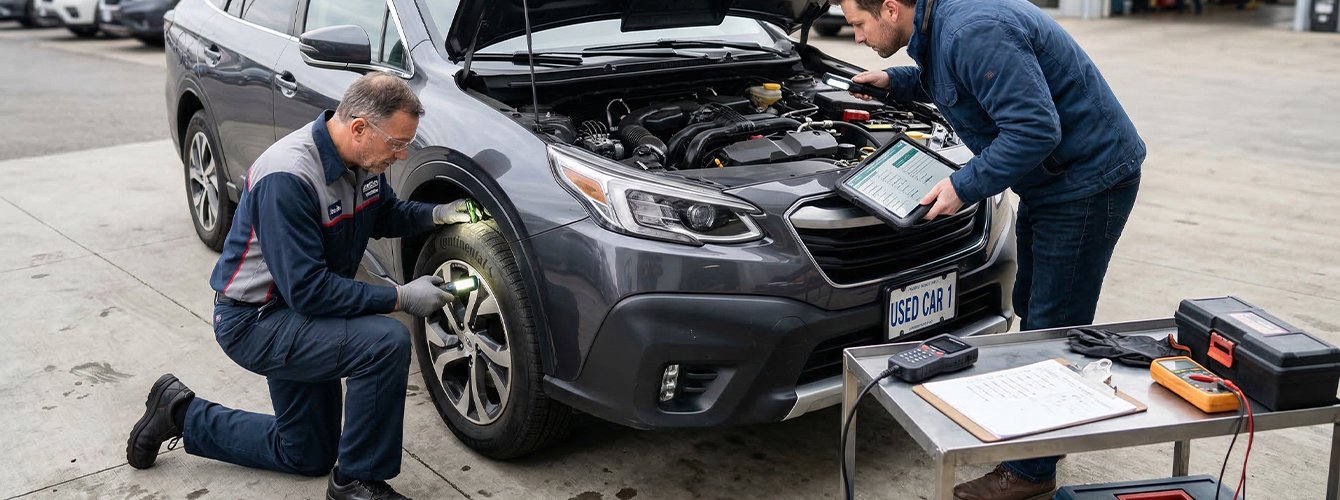
Car inspection is one of the most important steps before buying a used vehicle. A proper inspection helps buyers understand the true condition of the car and avoid future problems. Many vehicles exported from Japan go through detailed inspections to ensure quality and safety.
1. Exterior Inspection
The first step is checking the exterior of the vehicle. Inspectors examine the body of the car for scratches, dents, rust, or repainting. This helps determine if the car has been involved in an accident or not.
2. Engine Inspection
The engine is the most important part of a vehicle. During inspection, professionals check the engine condition, oil level, and any unusual noise or leaks. Reliable brands like Toyota and Honda are usually known for strong and long-lasting engines.
3. Interior Inspection
Inspectors also examine the interior of the car. They check the seats, dashboard, air conditioning system, and electronic features to make sure everything is working properly.
4. Mileage Verification
Checking the mileage is another important part of car inspection. It helps buyers understand how much the car has been used and whether the mileage reading is genuine.
5. Road Test
A road test is done to evaluate the performance of the vehicle. During the test drive, inspectors check the brakes, steering, suspension, and overall driving experience.
6. Inspection Report
After completing the inspection, a detailed report is prepared. This report includes information about the vehicle’s condition, any damages, and overall performance.
Conclusion
Car inspection is essential when buying a used vehicle. It ensures that the buyer gets a reliable car in good condition. Many exporters from Japan provide professional inspection reports to maintain trust and transparency in the car export business.